
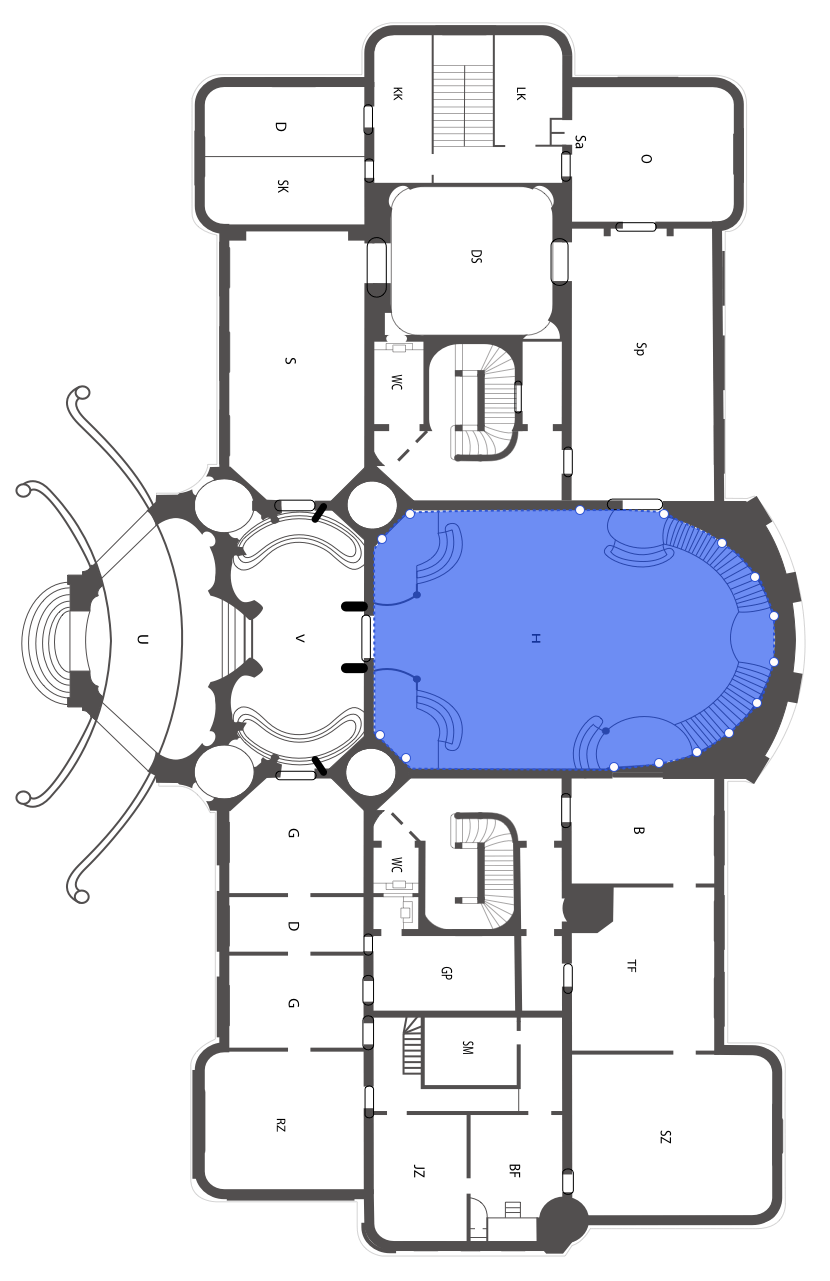
Quantity takeoff and material takeoff are closely related, but they are not always the same thing.
A quantity takeoff measures the work shown on the plans. A material takeoff converts those quantities into the actual materials needed to build the work.
Short Answer
Quantity takeoff asks: how much work is shown?
Material takeoff asks: what materials do we need to buy?
Quantity Takeoff Example
A quantity takeoff might measure:
- 85 square metres of flooring
- 42 linear metres of skirting
- 12 doors
- 18 light fixtures
- 4.5 cubic metres of concrete
These are measured quantities from the plan.
Material Takeoff Example
A material takeoff turns measured quantities into purchasing needs. For example:
- boxes of flooring based on coverage per box
- skirting boards based on stock lengths
- bags of adhesive or grout
- concrete volume with waste allowance
- door hardware sets
The material takeoff usually includes waste factors, product sizes, supplier units, and ordering logic.
Why the Difference Matters
If you confuse the two, you can under-order or over-order materials. A plan might show 85 square metres of flooring, but the material order may need extra allowance for cuts, waste, damaged pieces, and product packaging.
Quantity takeoff is the measurement foundation. Material takeoff turns that foundation into a buying list.
How Metres.ai Helps
Metres.ai helps contractors create the measured quantities first: areas, lengths, volumes, perimeters, and counts. Those quantities can then support pricing, estimating, and material planning.
For small contractors, keeping the measured takeoff connected to the quote reduces mistakes and makes it easier to explain where numbers came from.
Frequently Asked Questions
What is the difference between quantity takeoff and material takeoff?
A quantity takeoff measures the work shown on plans. A material takeoff converts those measured quantities into the actual products, materials, and purchasing units needed for the job.
Which comes first, quantity takeoff or material takeoff?
Quantity takeoff usually comes first. Once the quantities are measured, they can be converted into material requirements.
Is flooring area a quantity takeoff or material takeoff?
The measured floor area is part of the quantity takeoff. The number of flooring boxes, adhesive, trim, and waste allowance are part of the material takeoff.
Can Metres.ai help with quantity takeoffs?
Yes. Metres.ai helps users measure quantities from plans and organize them for estimating and quoting.